Magic, Shojo, and Metamorphosis: Magical Girl Anime and the Challenges of changing gender identities in japansese society
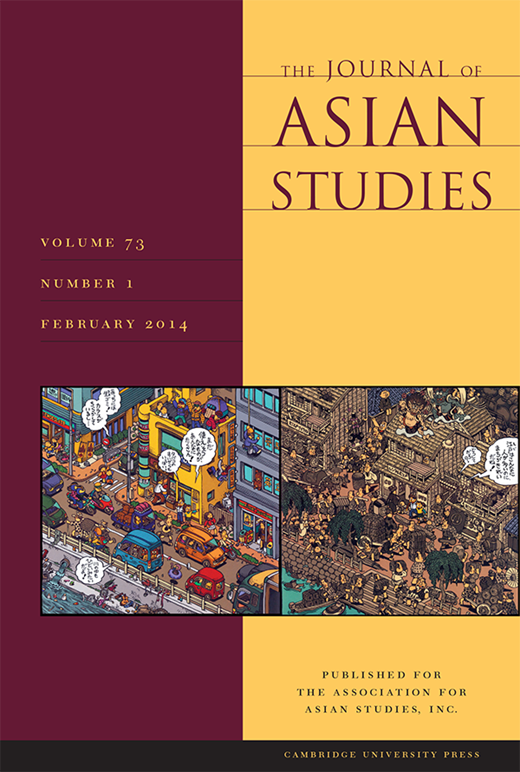
Published in the 73rd volume of The Journal Of Asian Studies in 2014, this foundational text analyzes the historical development of the magical girl genre from early narratives based on witches such as Sally the Witch to the modern battle-heroine paradigms. Saito examines how transformation sequences symbolically allow young female protagonists to navigate life outside of the traditional Japanese gender expectations. This is a peer-reviewed piece published by an academic press, and it serves as an authoritative source for media scholars. This book is invaluable for researchers tracing how mahou shoujo balances consumer marketing with feminist themes of agency.
Annotation: Saito, Kumiko. “Magic, Shoujo, and Metamorphosis: Magical Girl Anime and the Empowerment of Female Identity“. University of Hawaii Press, 2014.
Magilumiere Magical Girls Inc.

A satirical take on the magical girl genre, this manga explores what it would be like if being a magical girl were a real job in society. Using comedy, the heroine goes through relatable trials and tribulations such as failed job interviews, unemployment, and starting a new job at a newer company. This manga-turned-anime is great for those who want a more realistic look at what being a modern day magical girl would entail.
Annotation: Sekka Iwata (illus. Yu Aoki). “Magilumiere Magical Girls Inc.” Shueisha Inc., Oct, 2021.
Pretty Guardian Sailor Moon

Also known as “Sailor Moon”, this classic series from the 1990s is what really made magical girl tropes into what they are today and how popular the genre as a whole became. Now seen as a more basic or cliched telling of magical girls, this is the origin of the story formula that was popular up until the mid 2010s and really paved the way for more female empowerment stories. Following Usagi Tsukino as she finds out she is a reincarnation of a Princess from the Moon, she and her friends go on adventures to discover not only their past selves and identities, but to fight evil by moonlight.
Annotation: Naoko Takeuchi. “Pretty Guardian Sailor Moon” Kodansha Comics, 28 Dec, 1991.
The Magical Girl’s Guide to Life: Find Your Inner Power, Fight Everyday Evil, and Save the Day with Self-Care

A self care journal-style book inspired by manga and all things magical girl, this book provides everything you need to know for your new life as a magical girl! Providing a unique insight into the basics of magical girls as a whole, this book is not only full of fun activities, but displays the structure of the genre and basic creation.
Annotation: Jacque Aye. “The Magical Girl’s Guide to Life: Find Your Inner Power, Fight Everyday Evil, and Save the Day with Self-Care”, Ulysses Press, 21 Dec, 2021
Anime Explosion! The What? Why? & Wow! of Japanese Animation

A chapter-by-chapter breakdown of major anime tropes spanning across all genres, there is a significantly designated space to the historical evolution of the “magical princess” and “magical warrior” paradigms. The text highlights cultural nuances that Western audiences often miss, such as traditional Japanese folklore references that provided the inspiration and are embedded within transformation sequences. The author is a media historian whose work is widely cited across animation studies and bibliographies. This book offers a clear, engaging introduction to what makes a genre and cultural context.
Annotation: Drazen, Patrick. “Anime Explosion! The What? Why? & Wow! of Japanese Animation”. (Revised and Updated Edition), Stone Bridge Press, 2014.
Beautiful Fighting Girl
Initially written by Saito, a Japanese psychoanalyst and critic, this translated work examines the cultural phenomenon of the “fighting heroine” (bishōjo) in Japanese pop culture, that offers a theoretical framework for why magical girls became central figures in anime. The book investigates the overlap between female-oriented shōjo narrative origins and male fan (otaku) consumption of the genre. This translated seminal text is widely cited across international anime scholarship. It serves as a crucial reference for students analyzing psychoanalytic theory, gender performance, and target demographics in mahou shoujo media.
Annotation: Saito, Tamaki. “Beautiful Fighting Girl“. (Translated by J. Keith Vincent and Dawn Lawson), University of Minnesota Press, 2011.